

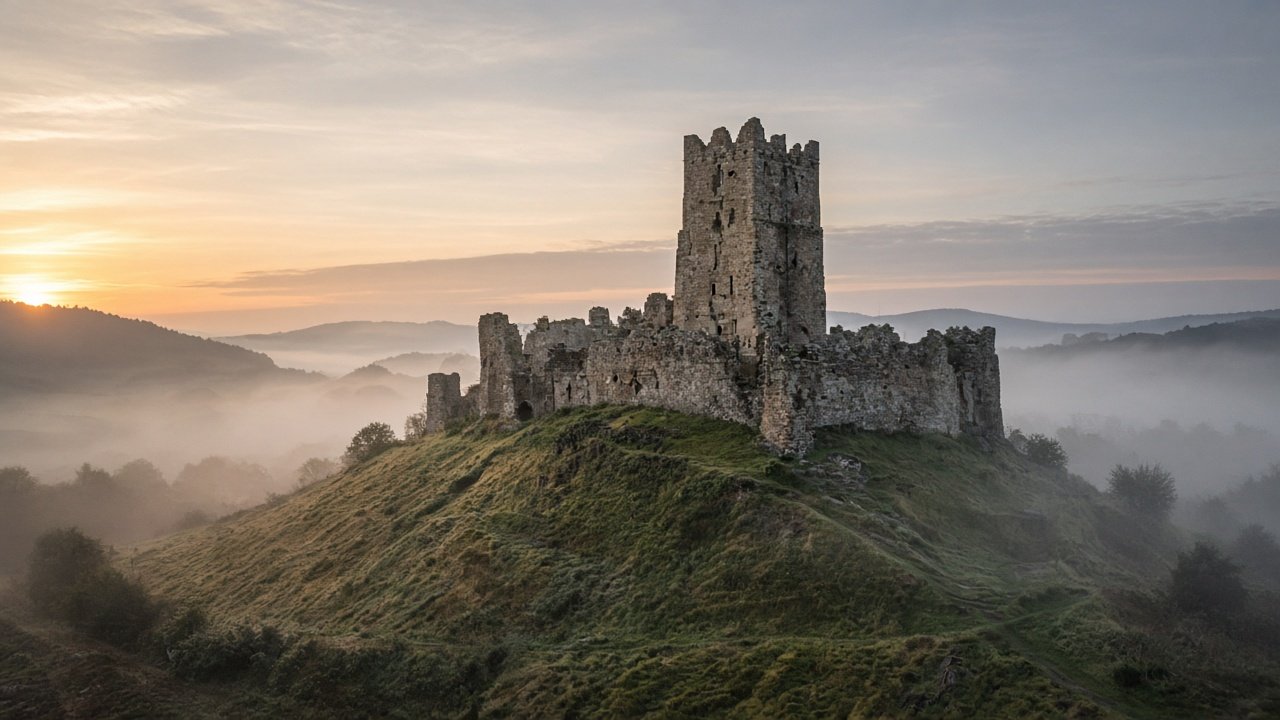

What is the oldest castle in Europe? It is a surprisingly tricky question. Many castles stand on sites that were fortified long before the present walls were built, others have been rebuilt so often that little original fabric survives, and historians disagree about what counts as a “castle” in the first place. Most agree, though, that the castle as we know it, a private fortified residence of a lord, emerged in Europe in the 9th and 10th centuries, and spread rapidly in the 11th.
This guide is part of our guide to castles in Europe. For more on two of the early Norman castles below, see our guides to the biggest castles in England and castles in Wales.
This guide takes you on a journey through time, from the 9th century to the 13th, visiting some of the oldest castles in Europe that you can still explore today. Along the way, we also clear up one of the most common misconceptions in castle lists.
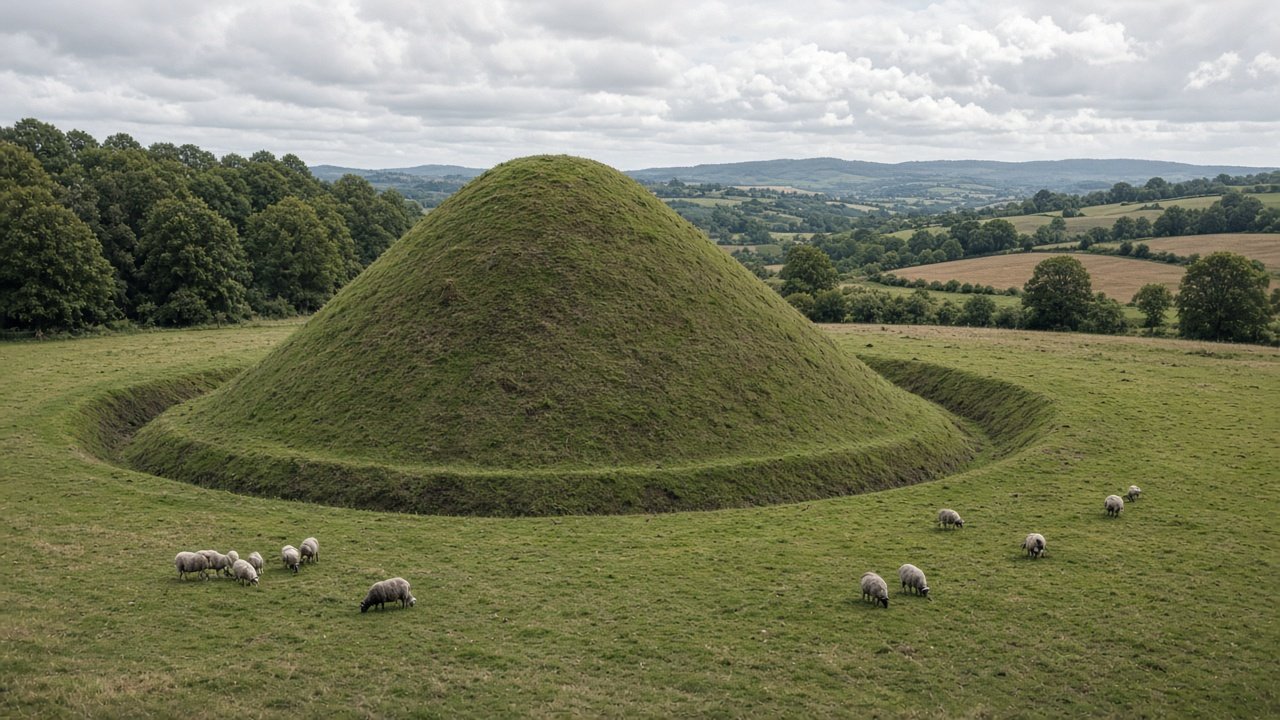
What Counts as the “Oldest” Castle?
When you read claims about the oldest castle, it helps to ask three questions:
- Oldest site or oldest building? A castle may have been founded in the 10th century but rebuilt entirely in the 15th.
- Continuously used or ruined? Some ancient castles are still lived in; others survive only as ruins.
- Documented or traditional? Some foundation dates come from contemporary records; others come from later traditions.
With that in mind, here are nine castles that genuinely belong in the conversation.
Prague Castle, Czech Republic (c. 880)
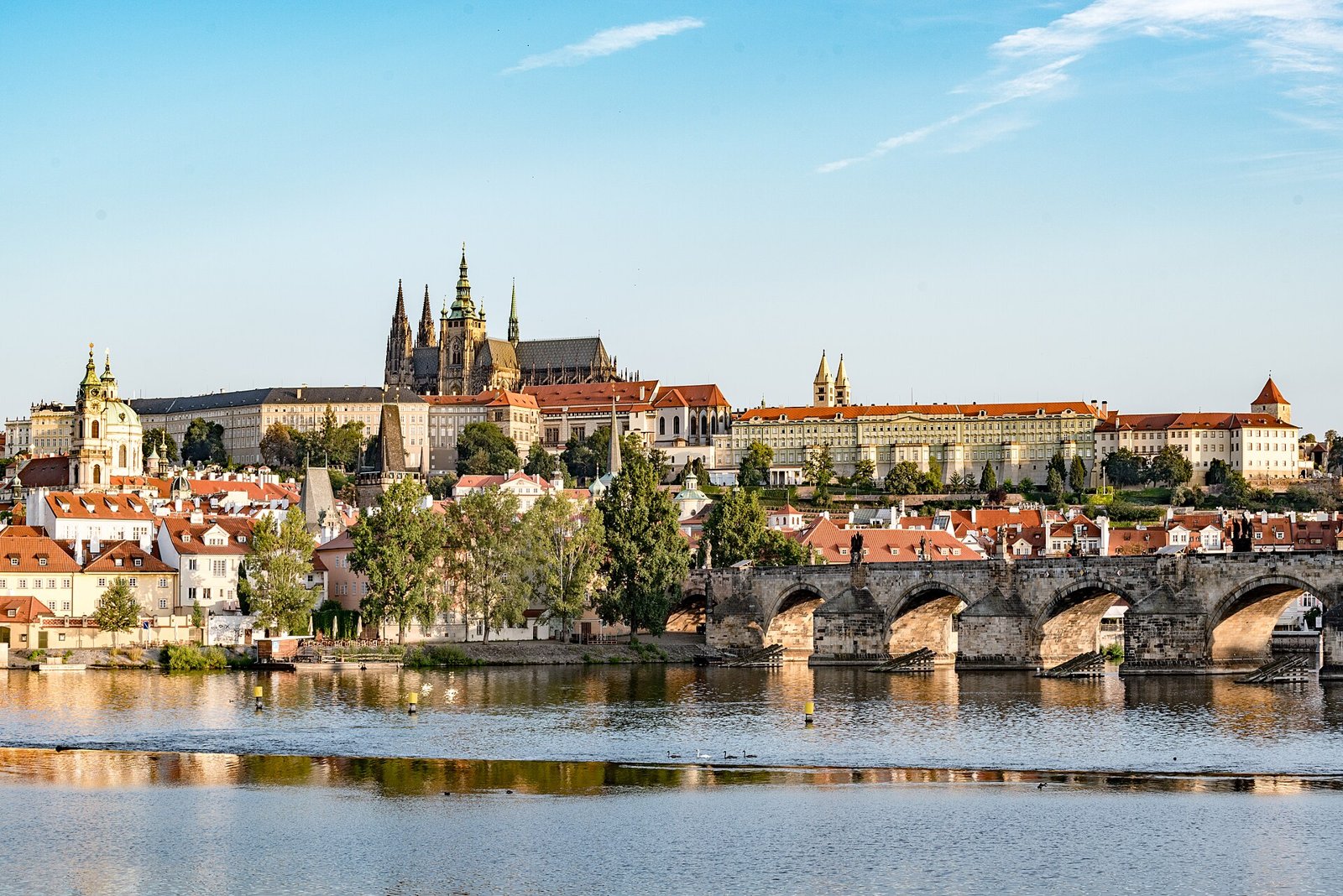
Prague Castle was founded around 880 by Prince Bořivoj of the Přemyslid dynasty, making it one of the oldest continuously used castle sites in Europe. It has been the seat of Bohemian princes, kings, Holy Roman Emperors and, today, the President of the Czech Republic. Guinness World Records lists it as the largest ancient castle complex in the world.
Its buildings span more than a thousand years, from the Romanesque Basilica of St George to the soaring Gothic St Vitus Cathedral, the Old Royal Palace and the tiny houses of Golden Lane. Visiting: the castle grounds are generally free to enter, while the main historic buildings require a ticket. Go early to avoid crowds, and watch the changing of the guard at noon.
Guimarães Castle, Portugal (10th century)
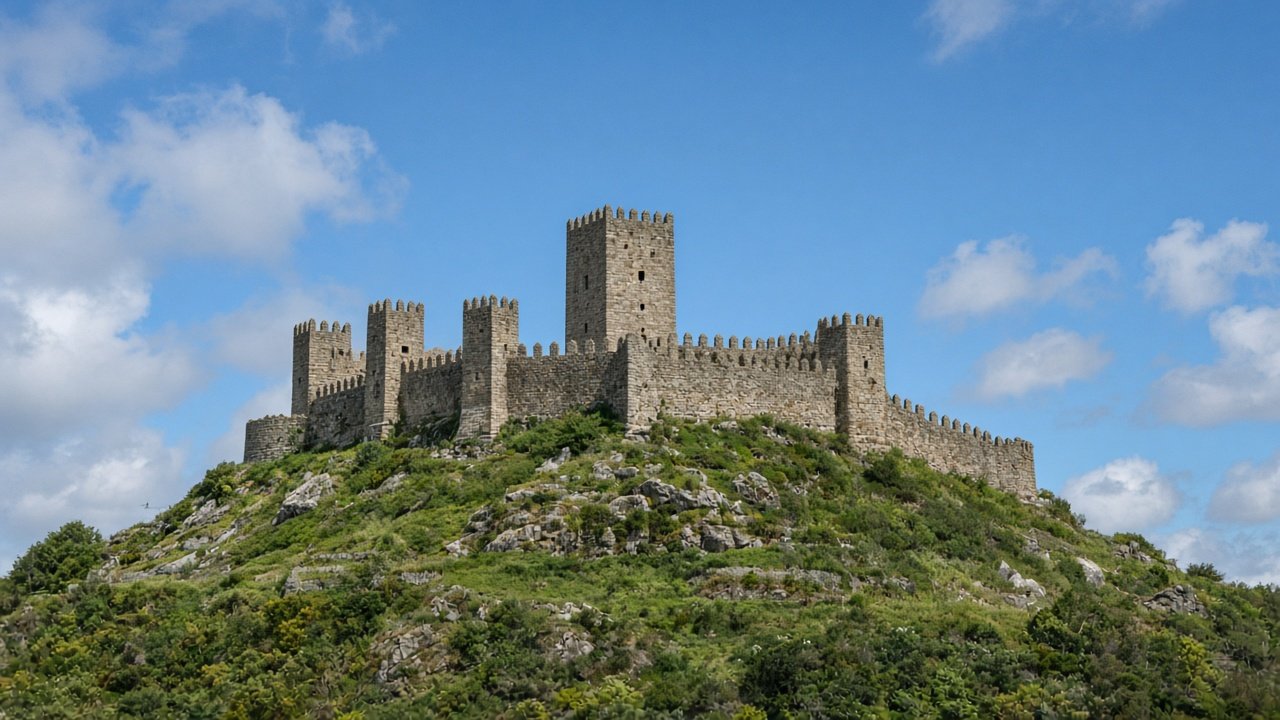
In northern Portugal, Guimarães Castle was founded in the 10th century by Countess Mumadona Dias to protect a monastery and the local population from raids. It is closely associated with Afonso Henriques, the first King of Portugal, who was traditionally said to have been born in Guimarães, and the city proudly calls itself the birthplace of the nation. The castle you see today was largely rebuilt in later centuries, but the site’s 10th-century origins make it one of the oldest in Iberia. The historic centre of Guimarães is a UNESCO World Heritage Site.

Château de Langeais, France (keep c. 1000)
In the Loire Valley, the gardens of the Château de Langeais hide one of the most important early castle remains in Europe: the ruins of a rectangular stone keep generally dated to around the year 1000. It is often attributed to Fulk Nerra, the formidable Count of Anjou who fortified his territory with a network of castles in the late 10th and early 11th centuries, although historians debate the exact date and builder. Either way, it is among the oldest surviving stone keeps in France.
Beside the ruin stands a much later château, built in the 1460s for King Louis XI, where Charles VIII married Anne of Brittany in 1491. Visiting: Langeais is open year-round and is easy to reach by train from Tours.
Chepstow Castle, Wales (1067)
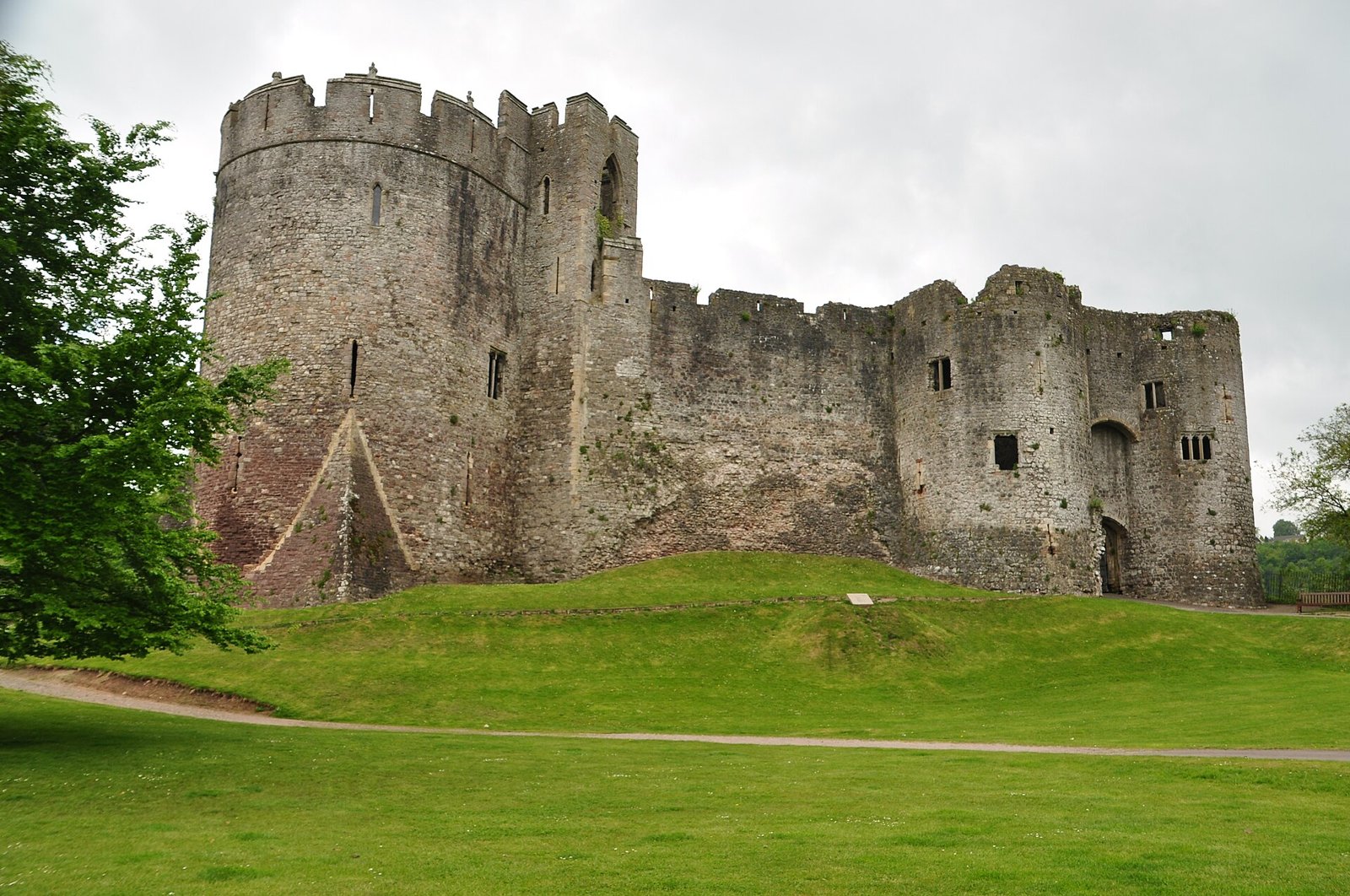
Perched on a cliff above the River Wye on the border between Wales and England, Chepstow Castle was begun in 1067, just a year after the Battle of Hastings, by William FitzOsbern, one of William the Conqueror’s closest allies. Its Great Tower is described by Cadw as Britain’s oldest surviving post-Roman stone fortification. The castle was extended over the following centuries into a long chain of courtyards along the clifftop.
Chepstow also holds another record: tree-ring dating has shown that its great wooden gatehouse doors date from no later than the 1190s, making them the oldest surviving castle doors in Europe. They are now displayed inside the castle. Visiting: cared for by Cadw; Chepstow has a railway station and is close to the Severn bridges.
The Wartburg, Germany (founded 1067, by tradition)
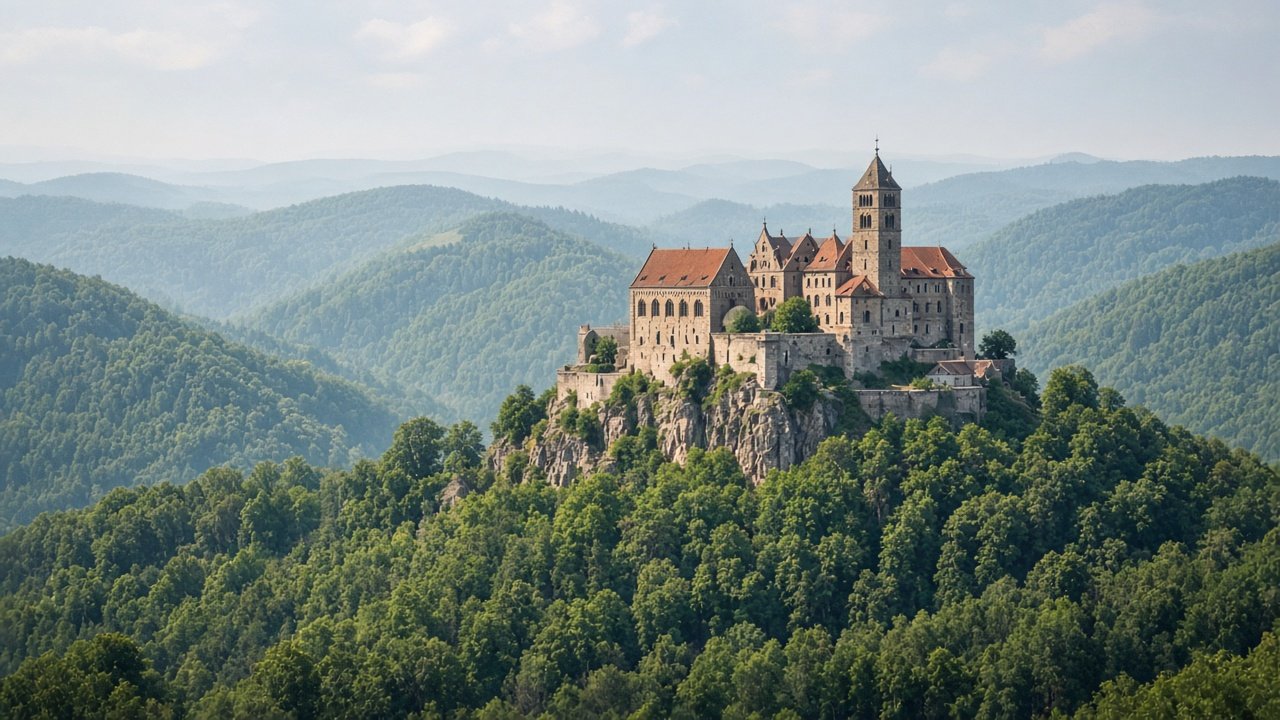
Above Eisenach in Thuringia, the Wartburg was, according to tradition, founded in 1067 by Count Ludwig der Springer. Its 12th-century Romanesque palace is one of the best-preserved of its kind north of the Alps. The castle is famous as the place where Martin Luther translated the New Testament into German in 1521–22, and it is a UNESCO World Heritage Site.

Windsor Castle, England (c. 1070)
William the Conqueror founded Windsor around 1070, and it has been a royal residence for more than 900 years. The royal family describes it as the oldest and largest occupied castle in the world. Although much of what you see dates from later rebuildings, the layout of the original Norman motte and baileys still shapes the castle today, with the Round Tower standing on the original mound.
The Tower of London, England (1070s)
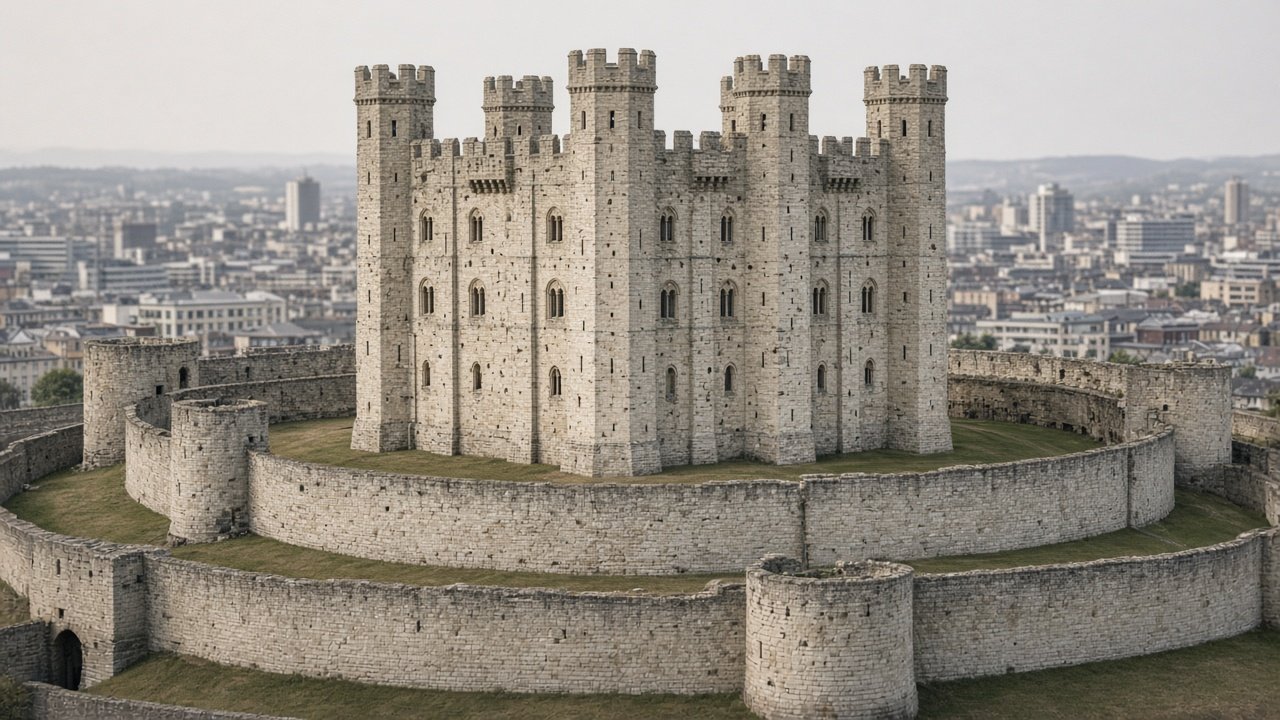
William the Conqueror began the White Tower in the 1070s to dominate London. It is one of the most complete 11th-century castle keeps in Europe and remains the centrepiece of a fortress that has served as palace, prison, treasury and home of the Crown Jewels. It is a UNESCO World Heritage Site cared for by Historic Royal Palaces.
Leeds Castle, England (1119)
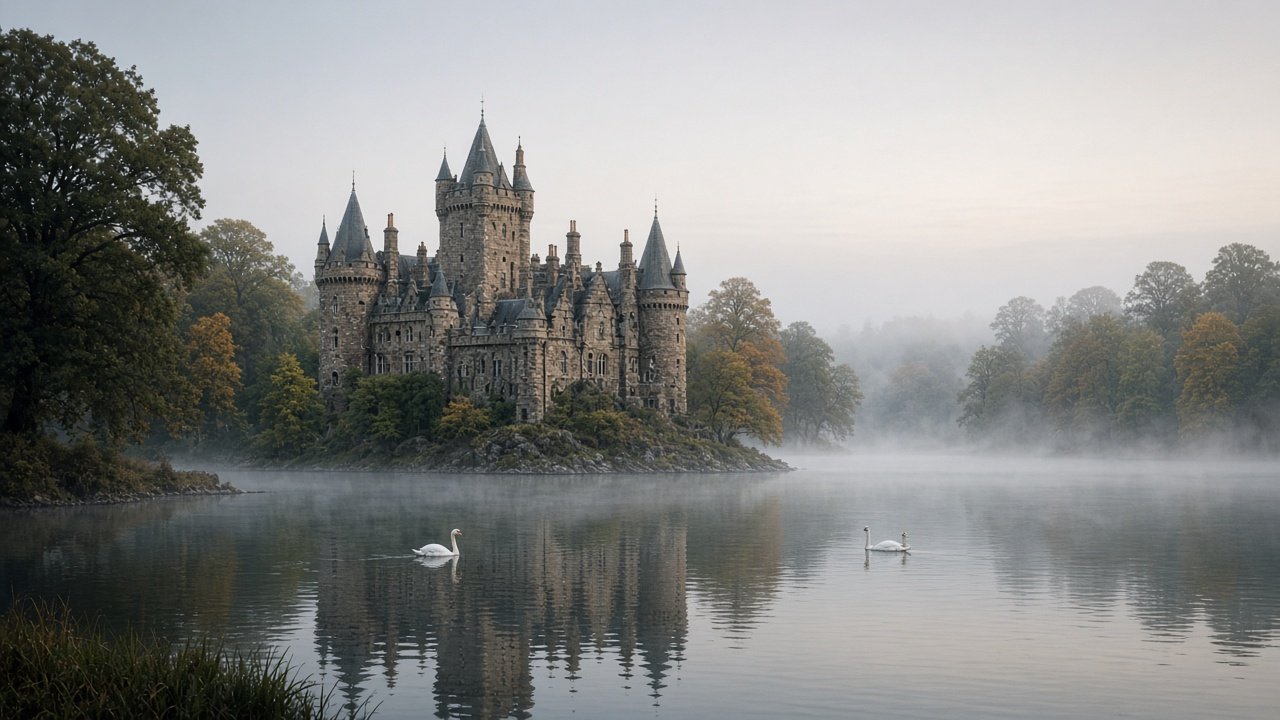
A stone castle was built on islands in a lake near Maidstone, Kent, from 1119, replacing earlier buildings on the site. It later became a royal residence for several medieval queens and was transformed by Henry VIII. Although much of the current building is the result of later restorations, its medieval origins make it one of England’s oldest continuously occupied castle sites.
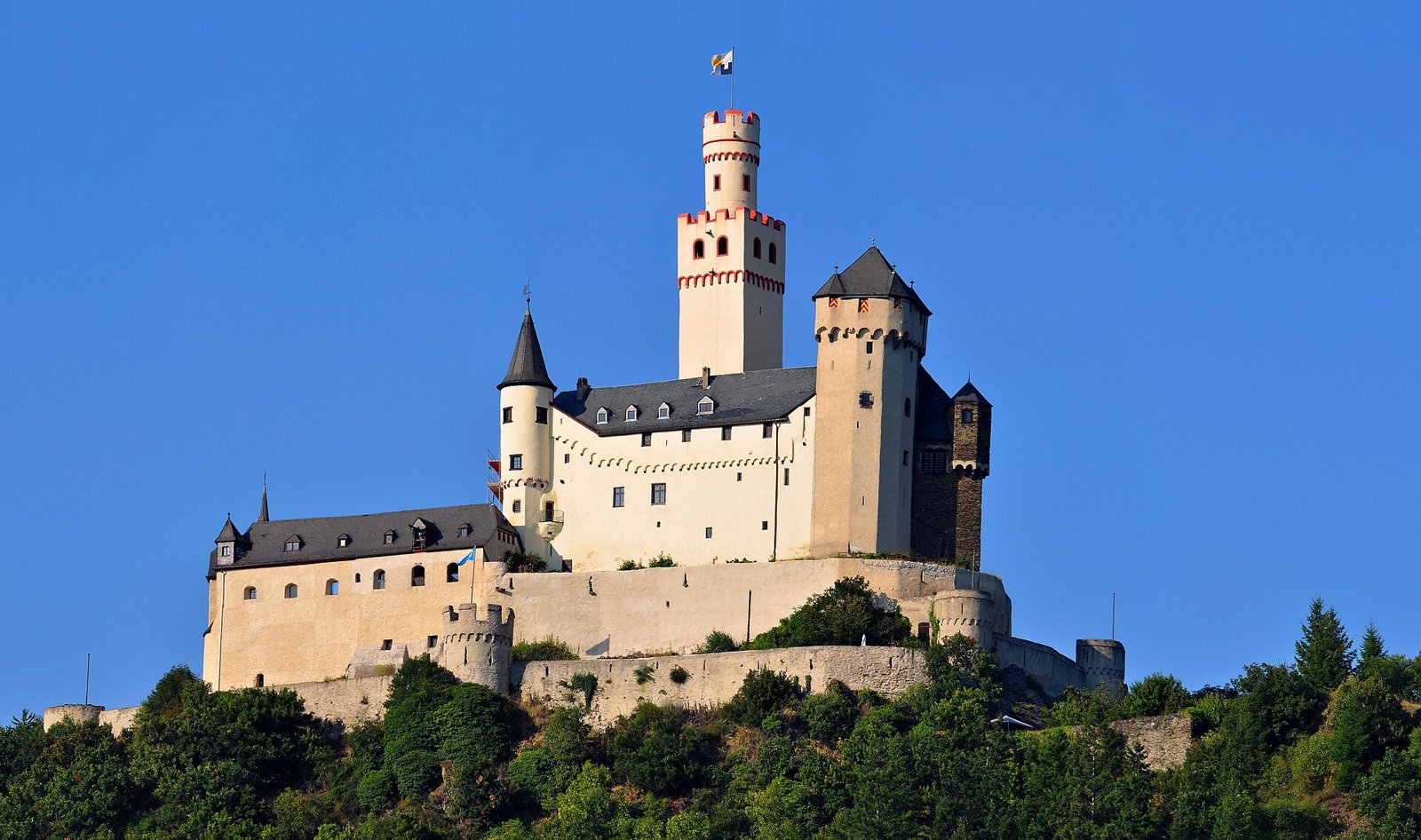
The Marksburg, Germany (documented 1231)
The Marksburg above Braubach is younger than the others on this list, first clearly documented in 1231, but it earns its place because it has survived almost unchanged. It is the only hilltop castle on the Middle Rhine that was never destroyed, so it offers one of the most authentic medieval castle experiences in Europe. Since 1900 it has been owned by the German Castles Association, which runs guided tours.
More Early Castles Across Europe
The castles above are the best known, but several other early castles across Europe are well worth seeking out if you love the Middle Ages.
Doué-la-Fontaine, France (10th century)
At Doué-la-Fontaine in Anjou, excavations in the late 1960s and 1970s led by the archaeologist Michel de Boüard uncovered a stone hall built around 900 that was converted into a fortified tower in the mid-10th century. It is often cited as one of the earliest known stone keeps in Europe and helps show how the castle grew out of the fortified halls of the Carolingian world. Only foundations and lower walls survive, but the site is important for anyone interested in where castles came from.
Colchester Castle, England (c. 1076)
Colchester Castle in Essex was begun around 1076 on the orders of William the Conqueror. Its keep is the largest the Normans ever built in Europe, larger even than the White Tower in London, and it was built on the vaulted foundations of the Roman Temple of Claudius, reusing Roman brick and tile in its walls. Today it houses the town’s museum, with collections from Roman Colchester, which was once the capital of Roman Britain.
Hohensalzburg Fortress, Austria (1077)
High on the Festungsberg above Salzburg, Hohensalzburg was founded in 1077 by Archbishop Gebhard during the Investiture Controversy between pope and emperor. Later archbishops, especially Leonhard von Keutschach around 1500, expanded it into one of the largest fully preserved medieval castles in Central Europe. A funicular railway climbs from the old town, and the views over Salzburg and the Alps are superb.
Loarre Castle, Spain (11th century)
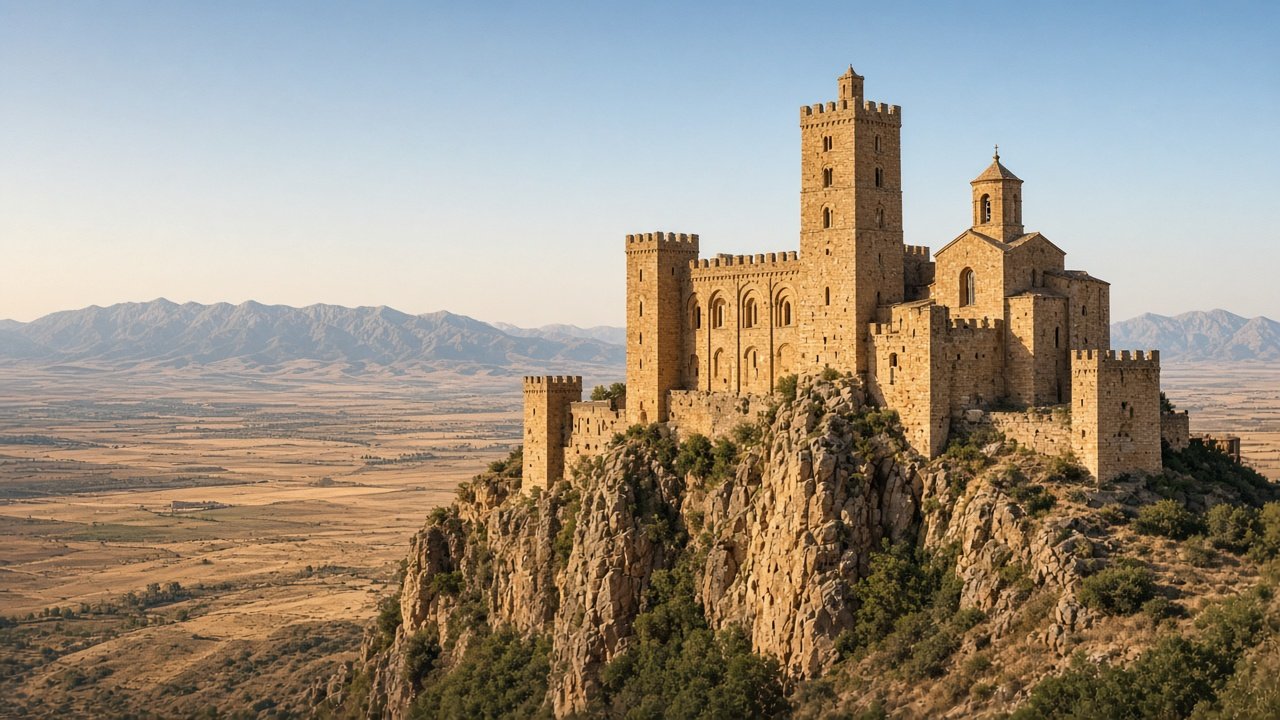
In the foothills of the Pyrenees in Aragon, Loarre Castle was built mainly in the 11th century, when the kings of Navarre and Aragon were pushing south against the Islamic kingdoms of al-Andalus. It is widely regarded as one of the best-preserved Romanesque castles in Europe, with a church built into its walls, and it was used as a filming location for Ridley Scott’s Kingdom of Heaven (2005).
Gravensteen, Belgium (1180)
In the heart of Ghent, the Gravensteen, or Castle of the Counts, was built in 1180 by Philip of Alsace, Count of Flanders, on the site of an earlier wooden fortress. It later served as a court, prison, mint and even a cotton mill before being restored around 1900. Its moat and battlements make it one of the most complete medieval castles in a European city centre.
The Neuschwanstein Misconception
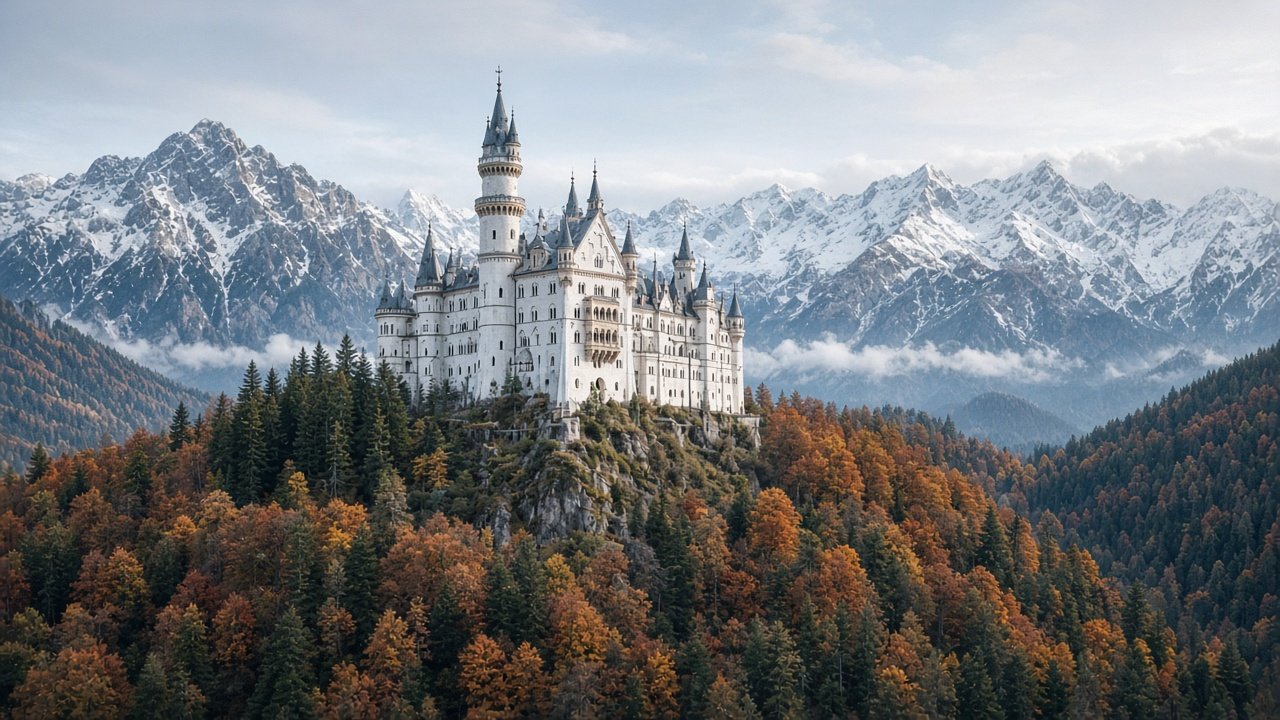
Neuschwanstein in Bavaria often turns up on lists of old European castles because it looks so medieval. In fact, construction only began in 1869 for King Ludwig II, and it was still unfinished when he died in 1886. That makes it younger than many American universities. It is a wonderful place to visit, and since 2025 a UNESCO World Heritage Site, but it is a 19th-century romantic creation, not a medieval fortress. The same is true of many “medieval” castles on the Rhine, which were rebuilt as romantic residences in the 1800s.
Quick Facts: Oldest Castles in Europe
| Castle | Country | Date | Basis for the date | Condition |
|---|---|---|---|---|
| Prague Castle | Czech Republic | c. 880 | Founded by Prince Bořivoj | Intact, in use |
| Guimarães Castle | Portugal | 10th century | Founded by Countess Mumadona Dias | Restored |
| Château de Langeais | France | c. 1000 (keep) | Archaeological dating of ruined keep | Keep ruined; later château intact |
| Chepstow Castle | Wales | 1067 | Begun by William FitzOsbern | Ruin, well preserved |
| Wartburg | Germany | 1067 | Traditional foundation date | Intact, restored |
| Windsor Castle | England | c. 1070 | Founded by William the Conqueror | Intact, royal residence |
| Tower of London | England | 1070s | White Tower begun by William I | Intact |
| Leeds Castle | England | 1119 | Stone castle begun | Intact, restored |
| Marksburg | Germany | First documented 1231 | Earliest record | Intact, never destroyed |
Tips for Visiting Europe’s Oldest Castles
- Look for the earliest fabric: ask guides or check plans to find the oldest parts, such as Chepstow’s Great Tower or Langeais’s ruined keep.
- Combine with nearby history: Prague’s Old Town, the Loire’s later châteaux and the Wye Valley’s Tintern Abbey all pair well with these castles.
- Check seasonal hours: many castles have shorter winter opening times.
- Book major sites ahead: Windsor, the Tower of London and Prague Castle can be very busy in peak season.
Frequently Asked Questions
What is the oldest castle in Europe?
There is no single agreed answer. Prague Castle, founded around 880, is among the oldest continuously used castle sites, while Langeais in France has one of the oldest surviving stone keeps, from around the year 1000.
What is the oldest castle in Britain?
Chepstow Castle, begun in 1067, is described by Cadw as Britain’s oldest surviving post-Roman stone fortification. Windsor and the Tower of London date from the same decade.
Is Neuschwanstein an old castle?
No. It was begun in 1869 for King Ludwig II and is a 19th-century romantic palace, not a medieval castle.
What is the oldest castle still lived in?
Windsor Castle, founded around 1070, is described as the oldest and largest occupied castle in the world.
Where are the oldest castle doors in Europe?
At Chepstow Castle in Wales. Tree-ring dating shows the gatehouse doors date from no later than the 1190s.
What is the largest Norman keep in Europe?
Colchester Castle in Essex has the largest keep the Normans ever built in Europe. It was begun around 1076 and stands on the foundations of the Roman Temple of Claudius.
Is there an old castle in Austria?
Yes. Hohensalzburg Fortress above Salzburg was founded in 1077 and is one of the largest fully preserved medieval castles in Central Europe.